
AI in Education: Revolutionizing Learning Experiences


The Transformative Power of AI in Education
The integration of Artificial Intelligence in education is reshaping the way students learn and educators teach. By offering personalized learning experiences, AI has the potential to cater to individual student needs, making education more accessible and effective. This technological revolution is opening doors to a new era of learning, where traditional methods are enhanced by sophisticated algorithms and data-driven insights.
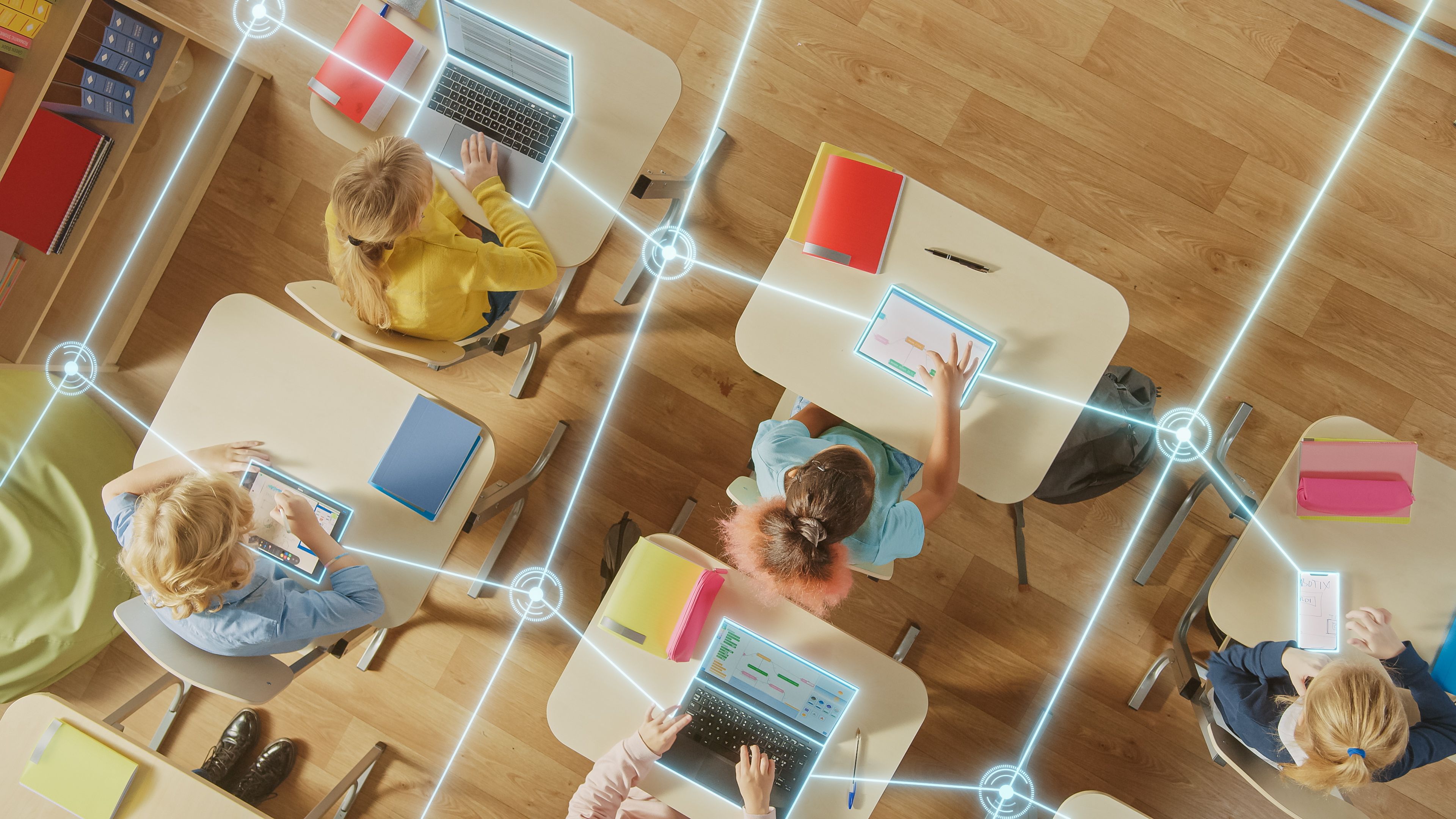
Personalized Learning Experiences
One of the most significant impacts of AI in education is its ability to provide personalized learning experiences. AI systems can analyze a student's strengths and weaknesses, adapting the curriculum to suit their unique needs. This ensures that students receive the appropriate level of challenge and support, enhancing their learning outcomes.
Moreover, AI-driven platforms can offer real-time feedback, allowing students to progress at their own pace. This immediate feedback loop helps in identifying areas that require further attention, fostering a more efficient and tailored learning journey.
AI-Powered Administrative Efficiency
Beyond personalized learning, AI is streamlining administrative tasks, allowing educators to focus on teaching. Automated systems can handle tasks such as grading, scheduling, and even answering common student queries. This not only saves time but also reduces human error, ensuring a smoother educational process.

Additionally, AI tools can assist in monitoring student progress and attendance, providing valuable insights into student engagement and performance. This data-driven approach enables educators to intervene proactively, ensuring no student falls behind.
Enhancing Accessibility and Inclusivity
AI in education also plays a crucial role in enhancing accessibility and inclusivity. For students with disabilities, AI-powered tools can provide customized learning aids, such as text-to-speech and speech-to-text applications. These tools make learning materials more accessible, ensuring that all students have the opportunity to succeed.
Furthermore, AI can help break down language barriers. Translation tools and language learning apps powered by AI facilitate communication and learning in diverse linguistic environments, promoting a more inclusive educational setting.

Preparing Students for the Future
Incorporating AI into education not only improves current learning experiences but also prepares students for a future where technology plays a central role. By familiarizing students with AI tools and applications, educators can equip them with the skills needed in a rapidly evolving job market.
AI encourages critical thinking, problem-solving, and adaptability – essential skills for the 21st-century workforce. By embedding these competencies into the educational framework, students are better prepared to thrive in a tech-driven world.
Conclusion
AI is undeniably revolutionizing education, offering personalized, efficient, and inclusive learning experiences. As technology continues to advance, its role in shaping the future of education becomes increasingly significant. By embracing AI, educators can unlock new potentials, paving the way for innovative teaching methods and enriched learning environments. The journey has just begun, and the possibilities are endless.